
Restorative yoga is a powerful tool for mindfulness, rest, recovery, and regulation.
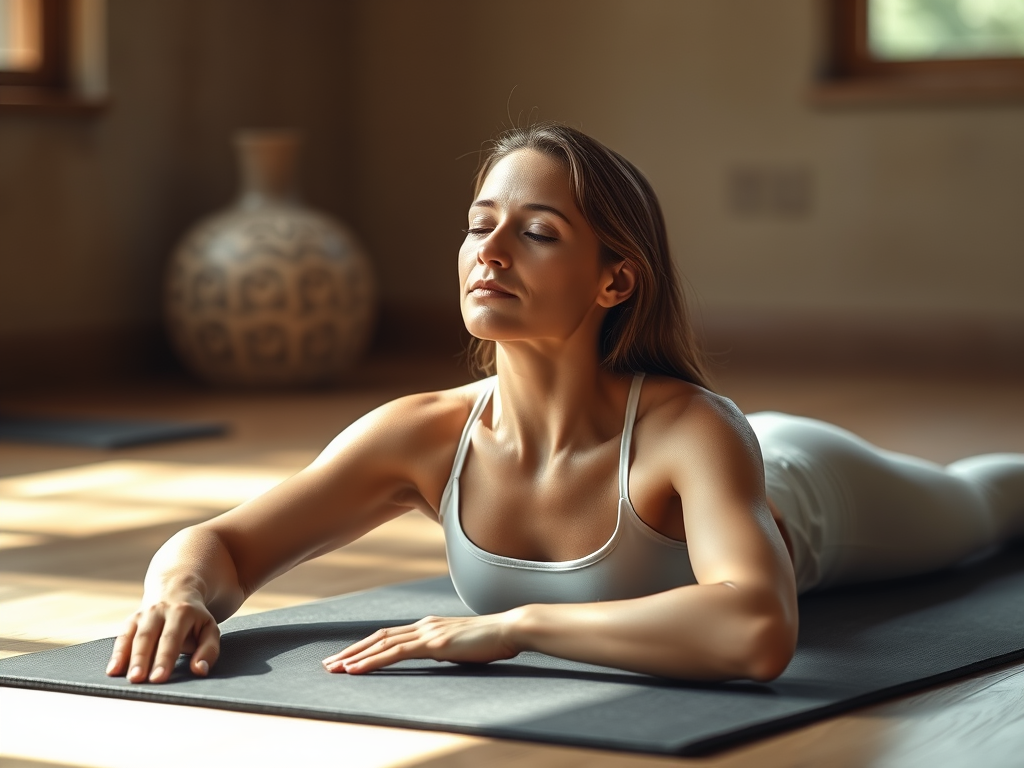
Restorative practices are unlike more active forms of yoga. They use props, blankets, and stillness to help the body let go of tension. This helps the body return to a state of calm. It’s a practice of doing less so you can feel more. It supports our natural human needs for rest, safety, and emotional balance.
What Is Restorative Yoga?
Restorative yoga is a gentle, deeply restful practice.
It involves:
• Supported postures held for 5–40 minutes
• Minimal physical effort or stretching
• Guided relaxation and simple breathing
• A calm, mindful atmosphere that encourages self-awareness
There’s no striving, no intensity—just comfort, presence, and deep rest.
This stillness is surprisingly nourishing. It helps the body move out of stress mode and into healing mode. This is especially beneficial when life feels overwhelming or when you’ve been running on empty for too long.
How Restorative Yoga Supports Mental Health
From an evolutionary perspective, our bodies are designed to survive short-term stress—but many of us live in long-term tension. When our nervous systems stay on high alert, we feel anxious, exhausted, and disconnected.
Restorative yoga helps reset that system. It supports:
• The innate need for safety, privacy, and rest
• The body’s natural ability to calm itself
• Opportunities for reflection, mindfulness, and emotional integration
In modern terms, restorative yoga acts as a reset button for the nervous system. Emotional arousal reduction is essential for restoring sleep, soothing anxiety, and building resilience.
How It’s Helped Me — and Others
Personally, restorative yoga has been a lifeline during periods of overwhelm and burnout. When my thoughts were racing and sleep felt elusive, this practice gave me permission to stop. I didn’t need to perform. I didn’t need to achieve. I didn’t need to explain. Instead, I just needed to rest in stillness. I let my body do the healing.
Clients and course participants often tell me:
“I didn’t realise how tired I was until I stopped.”
“It was the first time in weeks that I felt my mind slow down.”
“I’ve had the best sleep after one of your sessions.”
“I felt safe. I didn’t need to do anything or be anything.”
Even one session can bring a sense of grounding and ease. Over time, people begin to trust their ability to relax, which can be life-changing.
When Restorative Yoga Is Helpful?
️You might find it especially supportive if:
• You’re burned out or emotionally exhausted
• You have trouble sleeping, switching off, or letting go
• You feel overwhelmed and crave quiet, guided rest
• You need a way to gently reconnect with your body
• You’re in therapy or recovery and want a complementary practice that respects your nervous system
This isn’t about fixing or pushing through. It’s about honouring where you are and offering your body what it truly needs.
 MINDFULNESS HELPER